
What Reduces Post-Harvest Losses? Lessons from ADP's Rwanda Impact Assessment
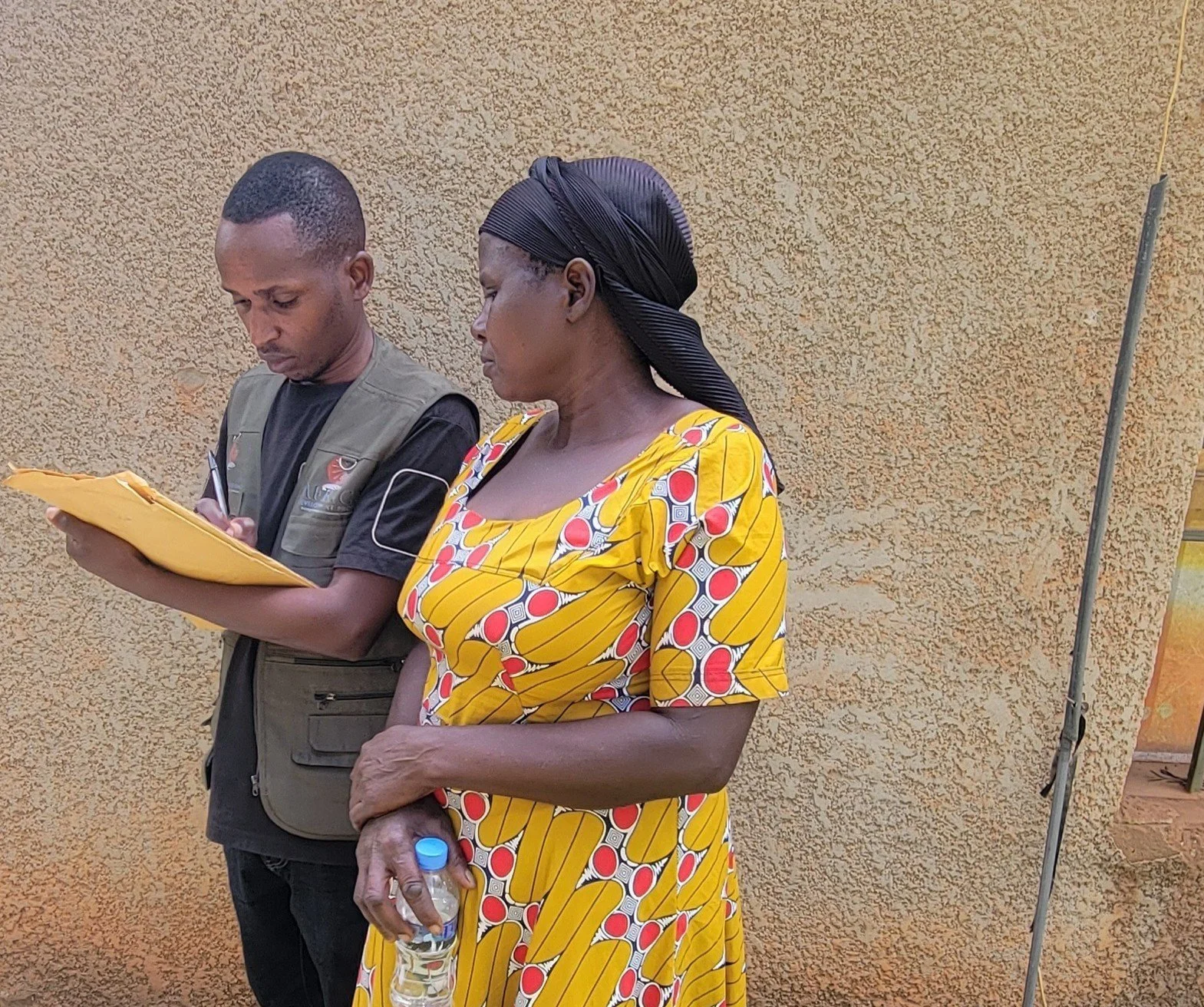
Conducting Household Survey
As part of Africa Development Promise's commitment to evidence-based development, we recently conducted a comprehensive assessment of our agricultural programming in Rwanda to better understand what factors contribute most significantly to improved farmer livelihoods.
One finding stood out immediately: for many smallholder farmers, increasing production is only part of the equation. The ability to preserve, handle, and market what is already being produced can have an equally significant impact on household income.
Across the eight women's cooperatives included in the assessment, post-harvest losses emerged as a critical challenge. Farmers reported losing substantial portions of their fruits and vegetables before products ever reached buyers due to spoilage, poor handling practices, inadequate storage, and limited market access.
To better understand which interventions, produce the greatest results, ADP examined outcomes across cooperatives that had received varying combinations of infrastructure investments, technical training, irrigation systems, and market development support.
The findings were encouraging.

Conducting surveys in the field
Several cooperatives reported significant reductions in post-harvest losses. KAJU Cooperative reduced losses from approximately 30 percent to 10 percent. TEMUNYA Cooperative reduced losses from 45 percent to 10 percent. INGABO Cooperative reported a reduction from 40 percent to 10 percent, while KOTMR Cooperative reduced losses from 40 percent to just 5 percent.
What makes these results particularly interesting is that they challenge the assumption that infrastructure alone drives improvement.
While cooperatives with packhouses and storage facilities experienced strong gains, notable reductions were also observed among cooperatives that did not have dedicated storage infrastructure. This suggests that investments in farmer training, improved crop handling practices, irrigation, production planning, and cooperative management may be equally important contributors to reducing losses and improving product quality.
The assessment points to an important lesson for development practitioners: post-harvest loss is not solely an infrastructure problem. It is a systems challenge that requires a combination of technical knowledge, production management, market readiness, and strategic investment.
For farmers, the impact is tangible. More produce reaches buyers. Product quality improves. Income that would otherwise be lost remains in the hands of farming families. Cooperatives strengthen their savings and reinvest in future growth.
As ADP continues to evaluate its programs, these findings will help inform future investments and contribute to broader conversations about what works in supporting women farmers' transition from subsistence agriculture to market-oriented enterprises.
Development is not simply about helping farmers grow more. It is about ensuring they can capture the full value of what they produce. Our assessment suggests that when women farmers are equipped with the right combination of skills, infrastructure, and market opportunities, the results extend far beyond the farm gate.
